- 25/05/2024
- Category: Commentaries
Author: Maria Olivia Laurent
Editor: M Perdana Karim
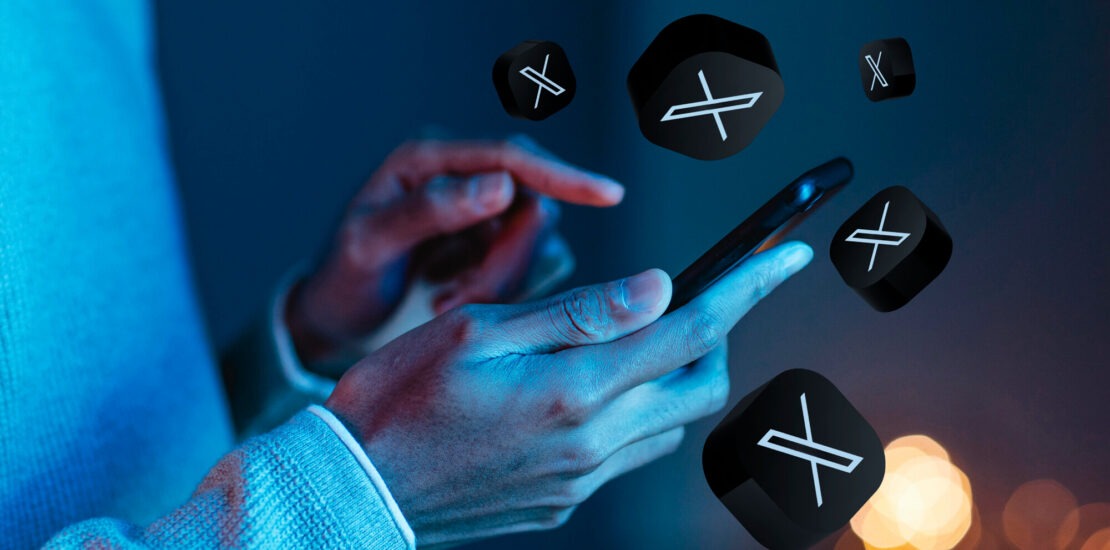
The 2024 Indonesian general election sparked various forms of media engagement, and not all of them come from the mainstream media we know of. Rapidly gaining momentum is alternative media, a new innovative space where users create a collective voice and forge new “mediatized publics” around socio-political issues[1]. Among these alternative platforms, Twitter (X) has surged to the forefront, becoming a hub for political figures, supporters, and people from all over Indonesia using the app during what the world dubbed the largest single-day election of 2024. Twitter is more complex than a mere networking space; it is also a site of dynamic resistance where individuals engage in discussions, express opinions, and mobilize social movements[2]. It challenges the hegemony of conventional media and creates a more transparent and impartial knowledge production free of political influences and government censorship. Moreover, it amplifies diverse voices where the marginalized can be heard and speak out, where they would often be overlooked in conventional media[3].
A distinct trait of the resistance movement on Twitter is the use of anonymity, or certain degrees of it, as anonymity allows users to express their opinions freely without fear of appraisal or being linked to their real identities. Contrary to popular belief, anonymity does not always mean isolation or malicious intent, as it can enable users to feel safer, protected, and able to speak out on issues they usually would not be able to. In a sense, we can argue that anonymity is an act of social relationships that affects how users present themselves in the digital network[4]; however, anonymity is also vulnerable to harassment, misinformation, and online abuse. This duality of anonymity presents a dilemma that will either benefit the resistance culture or destroy it completely.
Against the backdrop of the election, Twitter’s anonymous resistance movements come in many forms—both direct and subtle. A popular example is the autobase menfess accounts, where users can send a direct message (DM) to that autobase and have their messages tweeted anonymously and automatically. During the election, users use the general autobase to ask about politics, share their feelings about the news or candidates, comment on trending issues, and report misinformation and hoaxes. The high traffic of such tweets that appear on people’s timelines thus led them to be curious and encourage them to participate in discussions. For the message senders, having people reply and share similar feelings helps them to feel connected. People have also taken to these platforms to raise awareness of electoral fraud, corruption in their cities, and other misconducts not covered in mainstream media.
Other examples of semi-anonymous accounts are the supporter accounts, e.g., @aniesbubble, @haveaniesday, and @timpenguinnas, which provide political education and a platform for their fellow supporters to unite and organize campaigns and events. They encouraged their followers to focus on the ideas and missions they advocate for instead of the people behind the accounts. These organic, grassroots movements foster a sense of belonging and collective identity among their followers without needing personal affiliations. The account @aniesbubble, for example, is popular among K-pop fans and encourages them to engage in politics and prove to the people who used to stigmatize K-pop fans as silly teenage girls that they, too, can be vital agents of change. This type of uniqueness is distinct from Twitter’s resistance culture. Unlike Instagram, where users portray their true identities and post authentic content, Twitter users usually portray themselves in a ‘performed’ persona they want to be seen by others[5]. This “undisciplined performativity” essentially affords users to “emphasize interests over identities”[6].
However, as mentioned above, anonymity also erases user accountability and breeds harmful behaviours like trolling, harassment, and propaganda—simply because those people feel they can do anything they want while hidden in the shadows. The election is undoubtedly tarnished by hate speech and targeted attacks to sway public opinion against a particular candidate or party. Buzzers, for once, are a legitimate business where anonymous users are paid to spread this online propaganda[7]. One case is a group of users in a Telegram channel coordinating attacks against someone by spreading counterarguments and hashtags and influencing people to join their movement. We can also see that as a resistance movement, though it is debatable whether it should be seen as ethical or not. Moreover, since cybersecurity law is difficult to be directly implemented on social media under the protection of freedom of speech, toxic anonymity ends up perpetuating a culture of online hate. As passionate as Indonesians are about politics, that passion can close their eyes to the potential negative consequences of their actions and proper ethical usage of social media.
To conclude, anonymity was crucial in shaping Twitter’s resistance culture during the 2024 election. However, while it provides a safety blanket for individuals to engage in political activism and express their opinions freely, it also poses issues with online abuse and troll attacks. Thus, users must navigate and negotiate what it means to be anonymous and how the community can cultivate a healthy online environment for future constructive political discourse and civic engagement.
[1] Bonilla, Y., & Rosa, J. (2015). #Ferguson: Digital protest, hashtag ethnography, and the racial politics of social media in the United States. American Ethnologist, 42(1), 4–17. http://www.jstor.org/stable/43867940
[2] Pajnik, M., & Downing, J. D. H. (Eds.). (2008). Alternative media and the politics of resistance: Perspectives and challenges. Peace Institute, Institute for Contemporary Social and Political Studies.
[3] Ihlebæk, K. A., Figenschou, T. U., Eldridge II, S. A., Frischlich, L., Cushion, S., & Holt, K. (2022). Understanding alternative news media and its contribution to diversity. Digital Journalism, 10(8), 1267-1282. https://doi.org/10.1080/21670811.2022.2134165
[4] Curlew, A. E. (2019). Undisciplined Performativity: A Sociological Approach to Anonymity. Social Media + Society, 5(1). https://doi.org/10.1177/2056305119829843
[5] Papacharissi, Z. (2012). Without You, I’m Nothing: Performances of the Self on Twitter. International Journal of Communication, 6, 18.
[6] Nagel E. (2017). From usernames to profiles: The development of pseudonymity in Internet communication. Internet Histories: Digital Technology, Culture and Society, 1, 312–331.[7] Umami, A. M., & Al Qindy, F. H. (2023). The Use of Buzzers by Political Parties Which Result in Black Campaign Practices in Indonesia. Jurnal Ilmu Sosial dan Pendidikan (JISIP), 7(4), 3365. https://doi.org/10.58258/jisip.v7i1.5853
