- 23/09/2020
- Category: Commentaries
Digital Activism as a Relatively New Concept
Digital activism refers to a condition in which digital platform allows society to take part in contemporary activism. Activism itself can be understood as an action for social, cultural, political, and nationalistic change.[i] Indeed, when the vastly growing technological sector affects the lives of people, it also changes the dynamics of power relations between society and governance. We might have heard the stories, and the strength of digital activism in leading the revolutions (also known as Twitter revolution) that occurred during the Arab Spring in 2010.[ii] Similarly in Indonesia, digital activism through social media is the current flavor du jour that colored the country’s political realm. Some political scientists would look at this variable to understand the extent to which the enhancement of political participation is a direct result of web-based activism.[iii] While there are stages and forms, right now it is deemed impossible to study democracy and democratization without paying specific attention to digital information technologies. [iv]
One of important researches on the field of digital activism is that of Roby Muhamad who examined the case of Indonesia’s digital activism in the leaking records that revealed the rampant corruption in Indonesia’s judicial system during Susilo Bambang Yudhoyono’s administration in 2009. More than 800.000 Facebook supporters voiced their stances and supports for the Corruption Eradication Commission. Their voices gained more than just the President’s attention, but also the assurance from the national police force to continue retaining the work of the commission.[v] Muhamad perceives this trend as the form of new social movement that sheds light on Indonesia’s very own democratic front. While in this article, Social Media-Based Middle-Class Activism: The emergence of Volunteers in the 2014 Election, Wasisto Rahayu Jati depicts the condition of how the middle-class society, as the largest segmentation of Internet users in Indonesia, took part in voluntary activism during election 2014, as a result of being connected through all the existing platforms (over-connected). He also emphasizes on the earlier days of political campaigns on social media in Indonesia that, even though it had started since 2009, has shown more significant role in the 2014 presidential election. Jati also makes a comparison between conventional mass media and a more “egalitarian” social media in affecting society’s political orientation.[vi] From this study it is revealed that social media provides a platform which causes the users to feel personally connected and in touch with political figures. Compared to the essential purpose of using digital activism as an attempt to change society directly by giving each individual the power to work and collaborate without government[vii], Jati points out that the idea of social media activism in Indonesia focuses on the need to express oneself to gain personal validation. Hence the outcome of this behavior only portrays the normative side of user’s argument, which is derived from personal or collective emotional expression.[viii]
What’s next on the Digital Activism platform?
The trend of self-validation and expression in using social media could be the reflection of the lack of digital literacy of the internet users, especially for those who use it as the tool for political activism; opposing the idea of the profound political contestation which was earlier mentioned. Social media platform is often seen as a room for meaningless fights and quarrels which are fueled by hoaxes and paid buzzers that are being used by those in power. This activism trend is seen negatively now, portrayed by people’s concern on the existence of roaming hoaxes as the source of information by the digital activists to gain supports from the mass. While the digital platform plays a role as an enabler that captures politics as a free-for-all concept, both the government and the people of Indonesia are still trying to comprehend ways to use social media as a new and concrete political instrument for the masses.
The research conducted by the University of Washington draws a conclusion on the fact that no single digital device has a clear relationship with any particular campaign success. However, it must be understood that studying digital activism is a significant learning curve within the research, and it was suggested that activists, in general, would get more successful over time as these tools become more common.[ix] In that sense, Indonesia’s digital activism will continue to evolve; both the government and people still have time to familiarize themselves with the digital political involvement from the masses. Digital activism and the idea of egalitarian representativeness could indeed be an answer to Indonesia’s profound unity and political ripeness. The true utilization of online platforms like social media to extend the purpose of activism, however, seems to be requiring more time to mature in Indonesia.
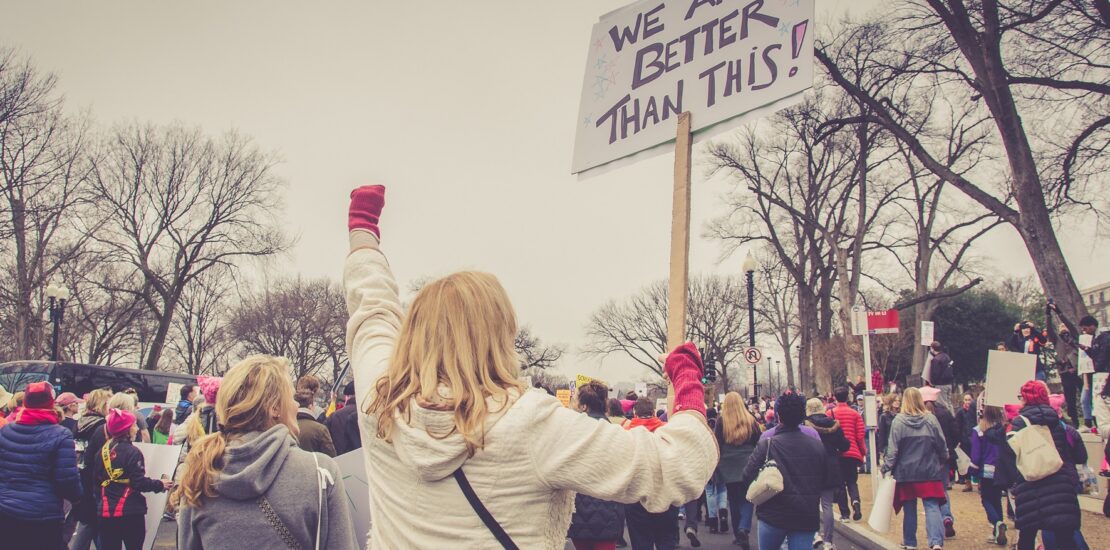
picture: Unsplash
[i] Yang, G. (2011). The power of the internet in China. 2nd ed. New York: Columbia University Press.
[ii] Brown, H., Guskin, E. and Mitchell, A. (2012). The Role of Social Media in the Arab Uprisings. [online] Pew Research Center’s Journalism Project. Available at: http://www.journalism.org/2012/11/28/role-social-media-arab-uprisings/ [Accessed 14 Jun. 2017].
[iii] Mutsvairo, B. (2016). Digital activism in the social media era. 1st ed. Newcastle: Springer Nature, p.20.
[iv] Dahlgren, P., Donk, W., Loader, b., Nixon, p. and Rucht, d. (2010). Cyberprotest: New media, citizens and social movements. 2nd ed. London: Routledge, p.25.
[v] Muhamad, R. (2009). Gerakan Sosial Digital. [online] liputan6.com. Available at: http://news.liputan6.com/read/249966/gerakan-sosial-digital [Accessed 16 Jun. 2017].
[vi] Jati, W. (2016). Aktivisme Kelas Menengah Berbasis Media Sosial: Munculnya Relawan dalam Pemilu 2014. Jurnal Ilmu Sosial dan Ilmu Politik, 20(2), p.147.
[vii] Karatzogianni, A. (2016). Beyond hashtags: how a new wave of digital activists is changing society. [online] The Conversation. Available at: https://theconversation.com/beyond-hashtags-how-a-new-wave-of-digital-activists-is-changing-society-57502 [Accessed 16 Jun. 2017].
[viii] Bayu, D. (2016). Media Sosial Kerap Digunakan untuk Mendominasi Opini Publik dalam Kontestasi Politik. [online] KOMPAS.com. Available at: http://nasional.kompas.com/read/2016/11/14/15295131/media.sosial.kerap.digunakan.untuk.mendominasi.opini.publik.dalam.kontestasi.politik [Accessed 16 Jun. 2017].
[ix] Edwards, F., Howard, P. and Joyce, M. (2013). Digital Activism and Non-Violent Conflict. Digital Activism Project. [online] Seattle: University of Washington, p.34. Available at: http://Digital-Activism-and-Non-Violent-Conflict.pdf [Accessed 16 Jun. 2017].
