- 10/07/2023
- Category: Press Release
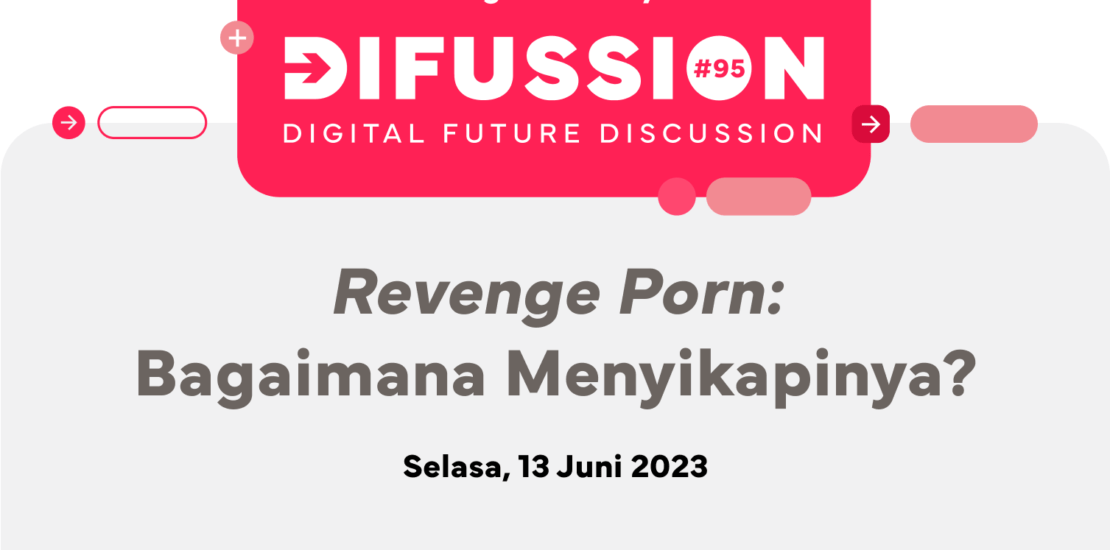

CfDS Official YouTube Channel, June 13, 2023 – In recent years, the use of the internet and social media platforms has led to concerning incidents involving the unauthorized disclosure of intimate images and/or videos. This cybercrime is known as ‘revenge porn’. Through Difussion episode 95, Center for Digital Society (CfDS) UGM strives to foster constructive dialogue that helps the public understand the complexities of ‘revenge porn’ and develop appropriate responses to support and protect the victims. Alongside Agita Pasaribu (Executive Director at Bullyid) and Firya Q. Abisono (Lecturer at Universitas Sebelas Maret), Diffusion #95 thoroughly explores how we should address the phenomenon of ‘revenge porn’. The discussion is moderated by Zakiah Fadhila (Research Assistant at CfDS) and can be accessed at https://www.youtube.com/watch?v=xF9dNoYskZM.
Agita Pasaribu opens Difussion #95 by defining ‘revenge porn’ as the act of coercively and without consent sharing someone’s intimate images or videos with the intention to harm, embarrass, or seek revenge against the victim. Typically, this involves former partners or individuals who have illegal access to such materials. The non-consensual spread of intimate content has been facilitated through email or social media and can even be achieved by hacking into personal accounts.
“These contents pose threats that intimidate victims into unwanted actions,” says Agita. This situation is further exacerbated by technological and communication advancements, where perpetrators can operate anonymously from anywhere at any time, content can quickly go viral, victims’ digital footprints can be traced, and the perpetrators may feel no guilt at all. Agita expresses concerns about the impacts victims may endure, such as feelings of shame that undoubtedly affect their psychology, emotions, and mental health. Furthermore, victims’ professional lives, such as education and employment, are likely to be tainted.
Firya Q. Abisono enriches the discussion sparked by Agita Pasaribu. “Revenge porn” can also be used to support human trafficking, extortion, identity theft, and impersonation,” adds Firya. She also points out that ‘revenge porn’ falls under ‘sextortion,’ which is a form of gender-based violence conducted online through blackmailing victims. This phenomenon may be accompanied by harassment, both in the physical and digital realms.
In facing cases of non-consensual intimate content dissemination or ‘revenge porn,’ Agita and Firya suggest several steps that can be taken. Firstly, it is important to securely store evidence, such as screenshots or copies of the content showing its dissemination.
Furthermore, it is crucial to cut off communication with the perpetrator to avoid further threats. If possible, do not comply with the perpetrator’s demands. Additionally, promptly report the incident to the relevant digital platforms, such as bullyid.org. Include evidence and provide a detailed chronology of the events so that actions can be taken to address the case. Firya also emphasizes the need for intensive support for ‘revenge porn’ victims and adequate ethical education for the masses intending to cover the phenomenon.
Author: Allysa Putri Rendry
Editor: Ni Kadek Ayu Pratiwi
