- 04/02/2018
- Category: Commentaries
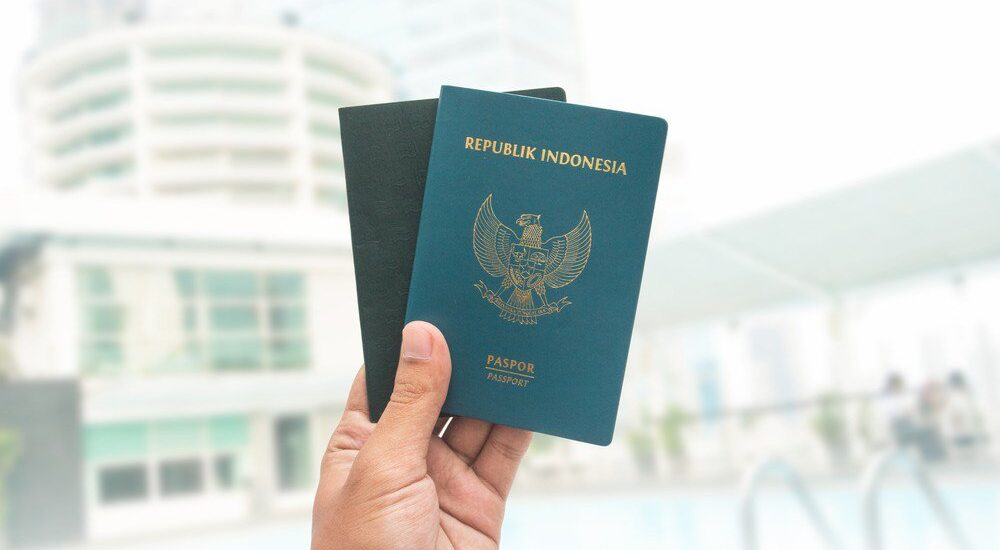
Back in mid-2017, the Directorate General of Immigration implemented two major policies to ease the process of creating passports for its citizens. The first policy is intended for those who already hold a passport and are looking to extend their passports’ validity, where it allows them to apply for the process simply by bringing their electronic ID card (e-KTP)and their old passport to the immigration office. The second policy allows the applicants to schedule ahead through an online queue, designed to eradicate the systemic illegal brokers within the immigration office. These two policies were launched with the sole hope of improving the country’s bureaucratic issues in the immigration sector.[i]
However, in the following six months, the Directorate was overwhelmed by a large number of appeals and complaints arising from applicants who were unsuccessful in submitting their online applications. It was discovered on 24 January that around 72.000 fake accounts (known as bots) have applied for the passport creation process online, hindering the process of real and actual applications.[ii] Just 50 of these bots could jack up the number of applications to over than 1.000 and delay actual applications by pushing them away from the queue.[iii] The Immigration service claimed that the current delay has put off the applicants since September 2017 to December 2017 on hold until today.[iv]
Regardless, this foul act is not a new mechanism practised by illegal brokers, as bots and blockages have been the source for malevolent stakeholders to gain profits in other sectors as well. In the United States, brokers use bots to prevent people from buying legal tickets of popular shows. For example, in 2016 an ‘army’ of bots tried secure 5 billion tickets, equivalent to 10.000 tickets a minute, on Ticketmaster’s website by putting them on a virtual queue forbidding buyers to access the legal sites.[v]
To overcome this issue, Directorate General of Immigration worked with the Indonesian State Intelligence Agency to investigate the hidden actors behind this scheme. The initial response coming from they include the permanent ban on these accounts.[vi] However, considering the extent of digital space, banning fake accounts may not enough to solve the issues of bribery and illegal brokers within the bureaucracy. The government needs a sustainable resolution that accounts the source of the problem, downstream and upstream, considering that in 2014 alone over 60% of the web’s traffic consisted of automated bits of code and 23% part of the activities included hackers’ work, not limited to the creation of the bots.[vii] The extent of these bots contains serious security concerns such as stealing credit cards number, essential data from online travel sites and stores.
The Director of Immigration pointed out that the currently established technology such as blockchain and Internet of Things (IoT) should have been sufficient in preventing future attacks.[viii] However, the case is an excellent example for the Indonesian government to include a profound cybersecurity program in each ministry, for the sake of protecting their e-government programs from being hijacked by delinquent actors that aim to hamper Indonesia’s efforts towards a more transparent and efficient bureaucracy. A strong cyber-security workforce stationed internally equates institutional training for state apparatus in attaining accountability standards. In addition to that, the public sector must pay attention to the private sector’s market-driven cybersecurity advances.[ix] The condition requires the government to continuously innovate and improve the ongoing initiatives as it becomes pertinent in assuring the success of this online passport program.
The road towards a clean, just, and transparent government through technological advancement is not without obstacles. In fact, new challenges breed from stakeholders which formerly gained profits from the crooked system. It then becomes paradoxical that technology-oriented policies, without a complete understanding of data vulnerability and protection initiatives, will not do any good for efficiency and transparency. Without the continuous efforts of self-diagnosing and self-protecting, the policy implementation renders moot. More than ever the queue elongates itself, and many who were desperate will return to the arms of illegal brokers who provide such facility. Nonetheless, reflecting on the case of the delayed passports, this is a paramount time to revamp Indonesia’s cyber security’s capabilities considering that this program is one out of the many digitalization initiatives by the government.
Editors: Atin Prabandari, MA(IR) and Nabeel Khawarizmy Muna Picture: Jakarta Post
[i] Rimadi, L. (2017). Perpanjang Paspor Kini Lebih Mudah, Cukup 2 Syarat Ini. [online] liputan6.com. Available at: http://news.liputan6.com/read/3042079/perpanjang-paspor-kini-lebih-mudah-cukup-2-syarat-ini [Accessed 30 Jan. 2018].
[ii] Koran Sindo. (2018). Kemenkumham Temukan 72.000 Data Paspor Fiktif. [online] SINDOnews.com. Available at: https://nasional.sindonews.com/read/1275582/13/kemenkumham-temukan-72000-data-paspor-fiktif-1516579520/ [Accessed 30 Jan. 2018].
[iii] Aziz, N. (2018). Puluhan ribu akun fiktif jadi pemohon paspor online, apa sebab?. [online] BBC News Indonesia. Available at: https://www.bbc.com/indonesia/amp/indonesia-42793702?__twitter_impression=true [Accessed 30 Jan. 2018].
[iv] Belarminus, R. (2018). Pelaku Kasus 72 Ribu Akun Fiktif Pendaftar Paspor Diduga Para Calo – Kompas.com. [online] KOMPAS.com. Available at: http://nasional.kompas.com/read/2018/01/21/12510581/pelaku-kasus-72-ribu-akun-fiktif-pendaftar-paspor-diduga-para-calo [Accessed 30 Jan. 2018].
[v] The Economist. (2018). The war on ticket bots is unlikely to be won. [online]. Available at: https://www.economist.com/news/united-states/21713869-2016-bots-tried-buy-5bn-tickets-or-10000-minute-ticketmasters-website [Accessed 30 Jan 2018].
[vi] Pradana, A. (2018). Dirjen Imigrasi: Paspor Bermasalah di Luar Sistem Kemenkumham. [online] Kumparan. Available at: https://kumparan.com/@kumparannews/dirjen-imigrasi-paspor-bermasalah-di-luar-sistem-kemenkumham [Accessed 30 Jan. 2018].
[vii] Pullen, J. (2015). How Bad Bots Are Destroying The Internet. [online] Time. Available at: http://time.com/3899612/internet-bots/ [Accessed 30 Jan. 2018].
[viii] Aziz, N. (2018). Puluhan ribu akun fiktif jadi pemohon paspor online, apa sebab?. [online] BBC News Indonesia. Available at: https://www.bbc.com/indonesia/amp/indonesia-42793702?__twitter_impression=true [Accessed 30 Jan. 2018]
[ix] Ravindra, R. (2017). How a Nation Should Respond to Global Cybersecurity Threats. [online] The State of Security. Available at: https://www.tripwire.com/state-of-security/security-data-protection/cyber-security/nation-respond-global-cybersecurity-threats/ [Accessed 30 Jan. 2018].
