- 13/02/2017
- Category: Commentaries
Introduction
A “Transtrender” is a term which refers to people who identify themselves as transgender with the purpose to solely reach fame on the internet. Social media has become a tool that is not only used for disseminating information but also for representing marginalized groups. Social media, particularly Twitter, has given a greater space for Lesbian, Gay, Bisexual and Transgender (LGBT) communities around the world to amplify their voice.[i] The identity of the LGBT communities has become a form of globalized identity which made a vague border between the real identity and the fake identity.
Recently, there is a rise in the existence of fake identities, and the notion of ‘faking identities’ has also become more familiar as they might give personal benefits. This habit of appropriation creates this internalized disposition of an individual that might exasperate other users.[ii] The new identity that they are trying to achieve is the identity that has been brought by globalization. Each understands and conceptualizes this new identity through five fluid dimensions that encompass finance, technology, ideas, media and the mobility of the people. [iii]
LGBT Sensations
As we see on the internet, the people who have the higher reputation are mostly a part of the LGBT community, or at least the people who accept LGBT. Tyler Oakley (@tyleroakley) as one of the most famous LGBT sensation on Instagram who has 6.9 million Followers has shown that being a part of the LGBT community is nothing to be worried about. He has raised $525,704 for The Trevor Project which is an organization for the prevention of suicide among LGBT youth. Goldsmith, H. (2015).[iv]
Being a part of the LGBT community and recreating this identity to become famous have been a trend to achieve popularity and become one of the best ways to create self-branding. Some famous Instagram sensations such as Branden Miller (@iambranden) and Kadir Bachmid (@d_kadoor), an internet sensation from Indonesia, somehow adopted this transgender identity as a strategy to gain benefits. The benefits that they achieve are fame and wealth which is one of the most promising investment to work on these days. [v]
Fake for Fame
This materialization of identity is a great thing to do to increase awareness of particular identity on the media. Although it was difficult to differentiate which identity is genuine and which identity is fake in this digital era, the case of Milo Stewart might tell us all about how people with fake identity represent themselves to the public. Milo Stewart, an eighteen-year-old girl/boy, identifies her/his self as a “non-binary, trans, asexual, aromantic queer” and acts as a gender confusion which somehow irritates most of the LGBT community. The community despises Milo and calls him a Transtrender because of his act of being gender queer just to get famous, and yet he got famous but not in a positive way.
Judith Butler as one of the most influential figures in feminist and LGBT issues explained that gender is the act that one does, the act that one performs, in a sense, an act that has been going on before one arrived on the scene. [vi] It is clear that the thoughts about the performativity of gender are contradictory with the phenomenon of Transtrender in the sense that it is not the gender that is embodied but more to the gender that is only performed to gain personal benefits. [vii]
Conclusion
In the final analysis, social media is one of the biggest platforms that amplifies stereotypes and social construction of the world. It gives the digital society ideas to create contents based on those stereotypes which then creates a vague border between the real and fake identities. This act of identity appropriation, especially the LGBT community, has created creative contents to entertain people and as a career to earn money as they are paid by the monetization system that the internet comprises. This surely becomes a distinct phenomenon in the digital age, as people may receive real gains and benefits from ‘simply’ portraying certain identity on the internet, whether it is a real or fake. The more important thing to overlook is that a lot of people don’t even care about the whole fake-or-real identity, and this has become embedded and inseparable to the overall process in climbing the internet fame ladders. What everyone seems to care about these days is fame, as it also means wealth.
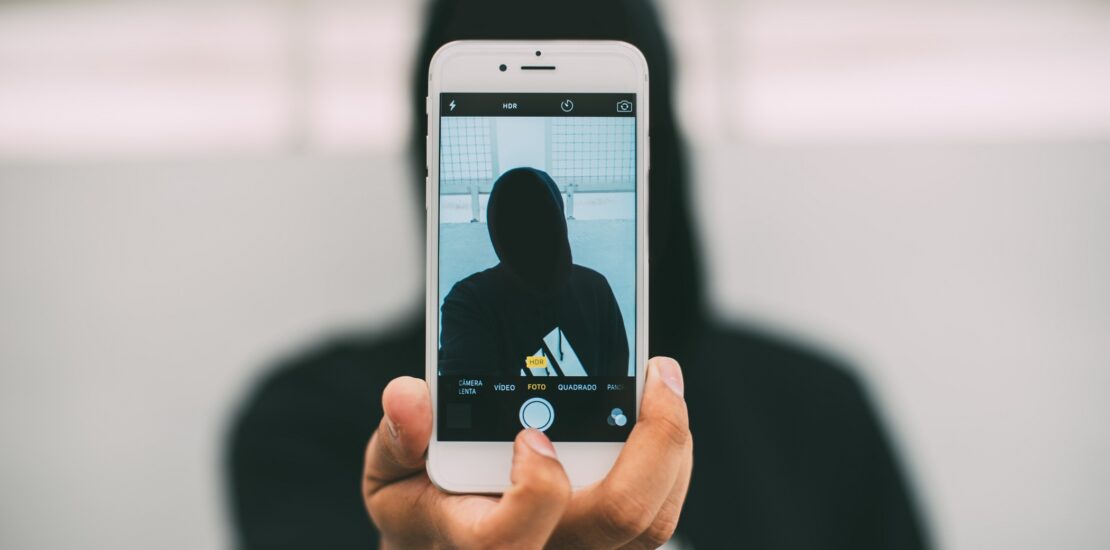
Picture: pexels.com
[i] Templeton, B . (2008). 10 Big Myths about copyright explained. [online] Templeton. Available at: http://www.templetons.com/brad/copymyths.html [Accessed 26 Jan 2017].
[ii] Bourdieu, P . (2016). The Logic of Practice. UK: Polity Press, p.53
[iii] Appadurai, Arjun. (1996). Modernity at Large: Cultural Dimension of Globalization. Minneapolis: University of Minnesota Press, p.33
[iv] Goldsmith, H. (2015). LGBT Month: Tyler Oakley. [online] The Network. Available at: http://www.thenetworkhe.com/lgbt-month-tyler-oakley.html [Accessed 26 Jan 2017]
[v] Debord, G. and Knabb, K. (2005). Society of the Spectacle. London: Aldgate Press. pp.212-221
[vi] Butler, J. (1990). Gender Trouble. NY: Routledge. pp.190-200
[vii] Goffman,E. (1956). Presentation of Self in Everyday Life. Edinburgh: Edinburgh University. pp. 87-94
